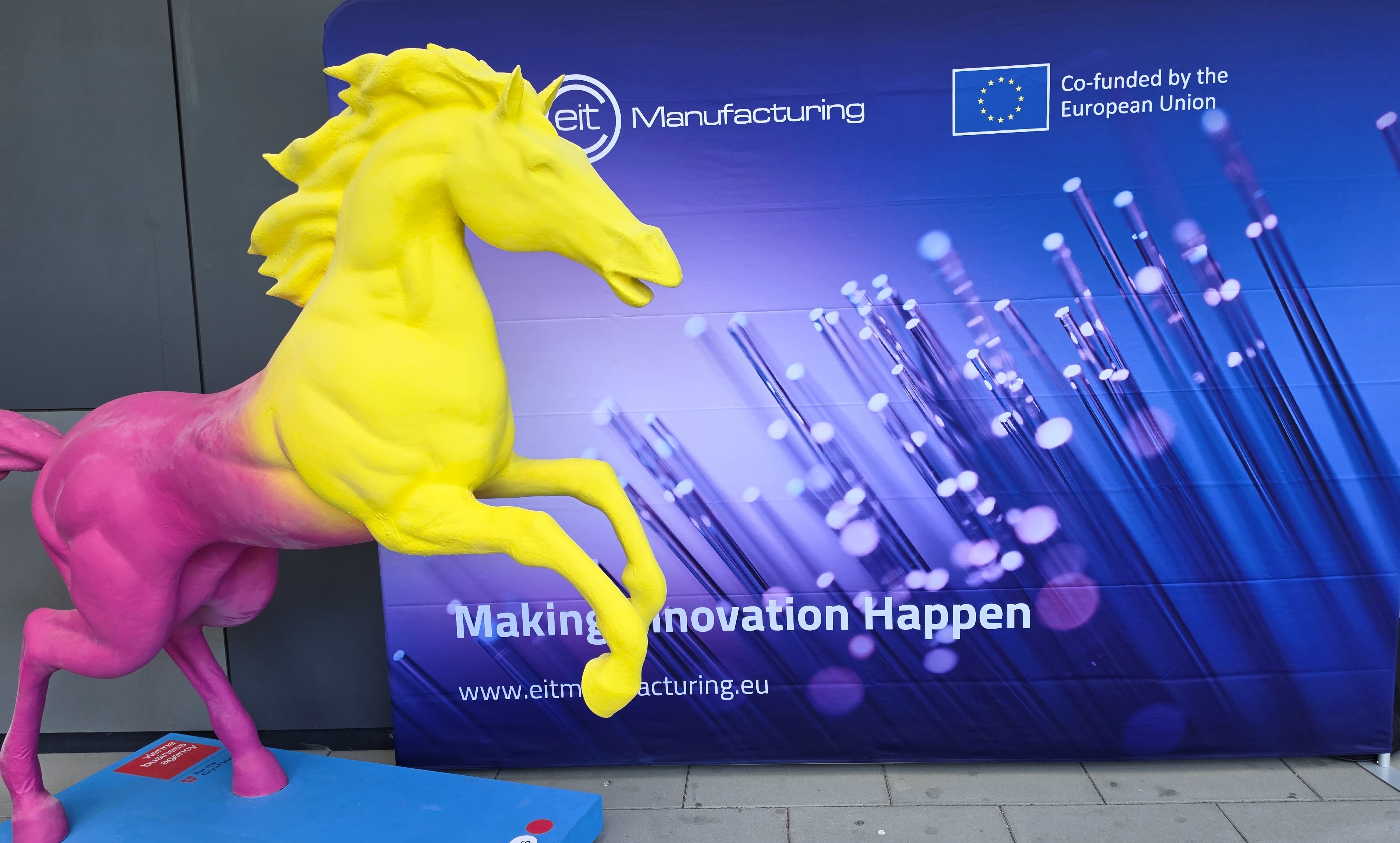
Von KI-gestützten Fabriken bis hin zu Hard-Tech-Scale-ups – die führende Veranstaltung der ViennaUP im Bereich Industrie brachte die Gestalter von Europas nächster industrieller Ära zusammen.
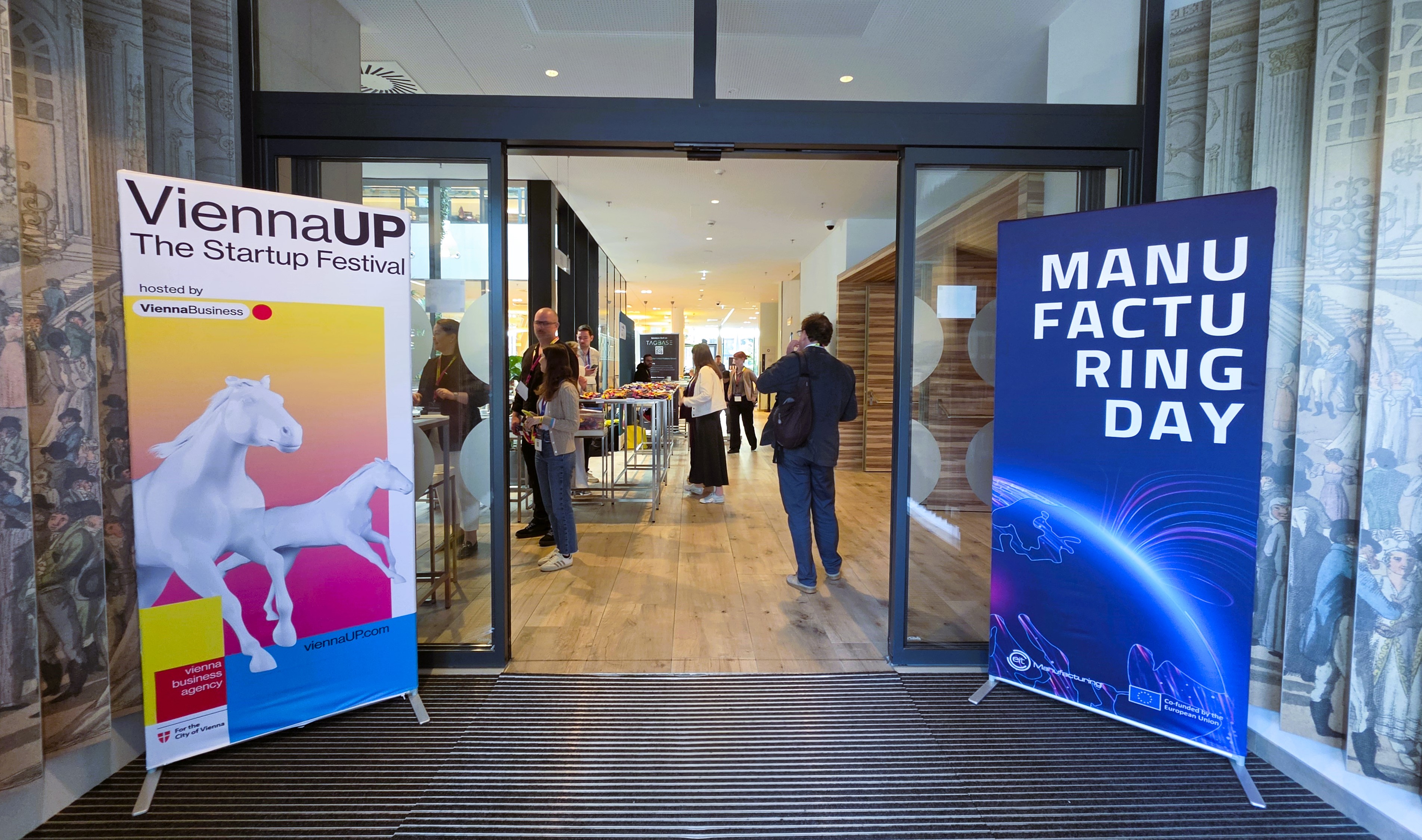
Der industrielle Wandel ist kein Zukunftsszenario mehr, das in Strategiepapieren und Keynotes diskutiert wird; er findet bereits in Fabriken, Laboren, Universitäten und Startups statt. Beim Manufacturing Day 2026, der im Rahmen von #ViennaUP stattfand, wurde dieser Wandel greifbar.
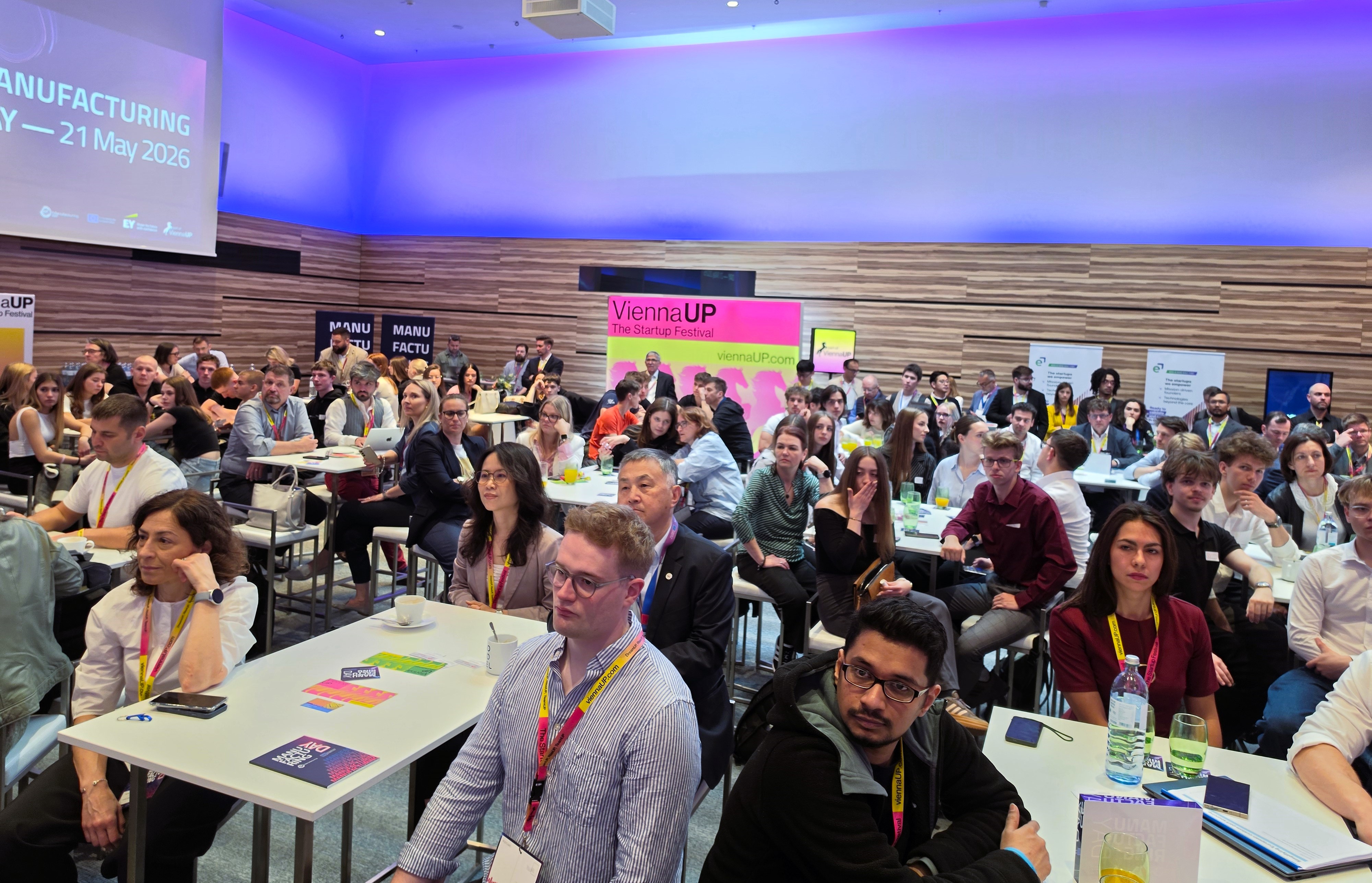
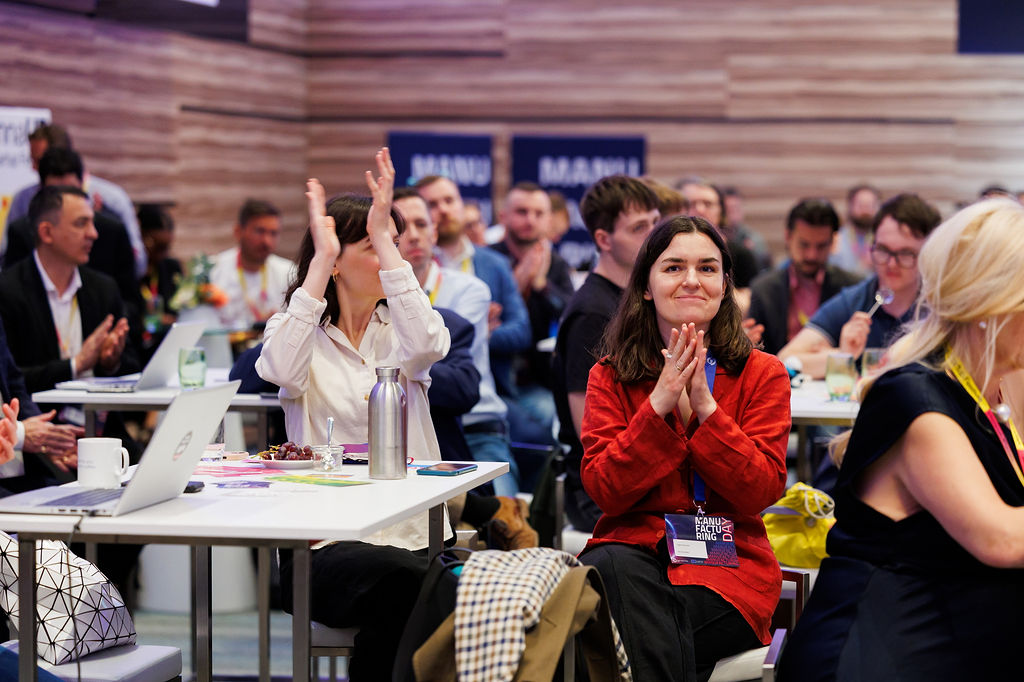
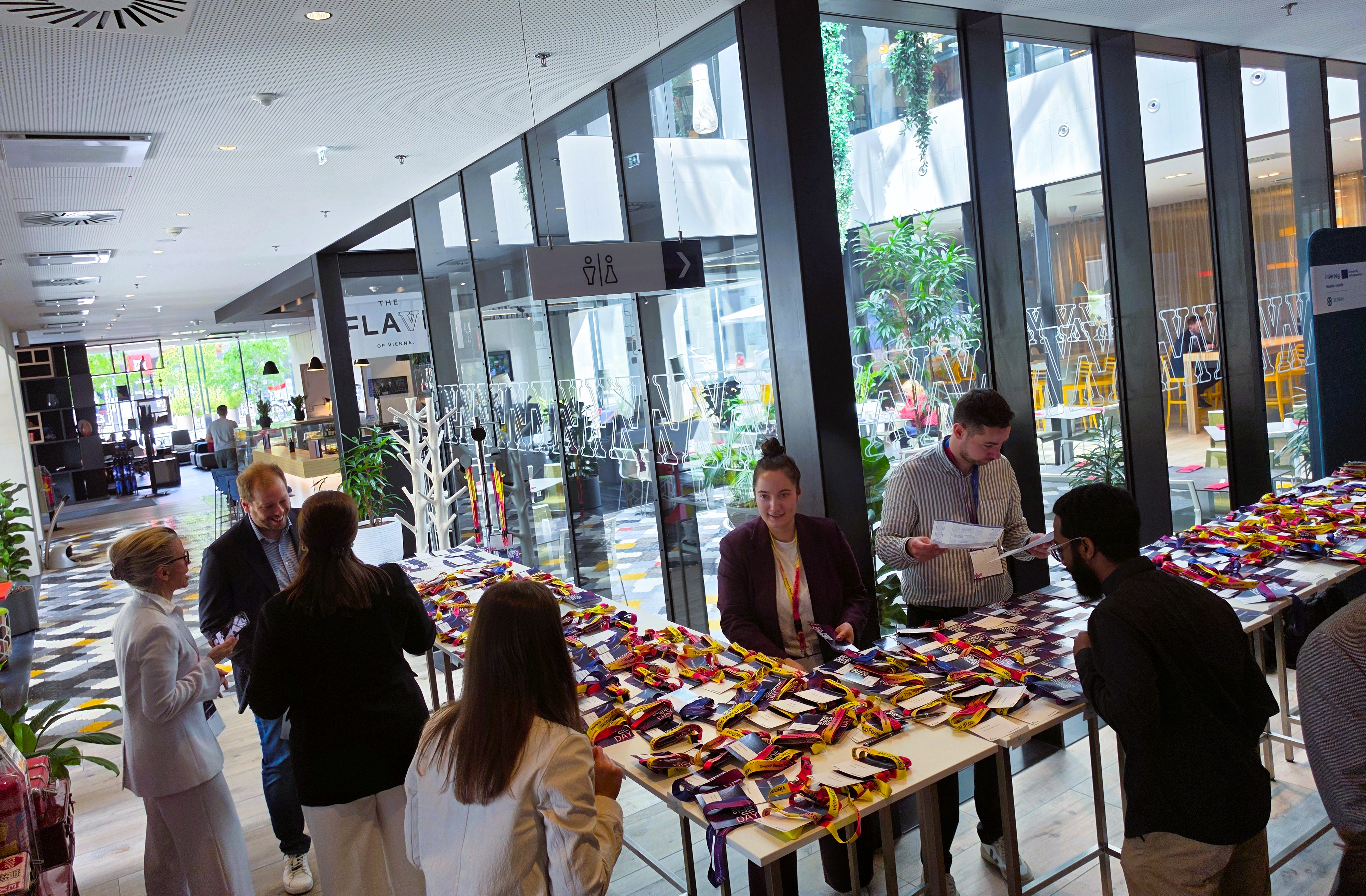
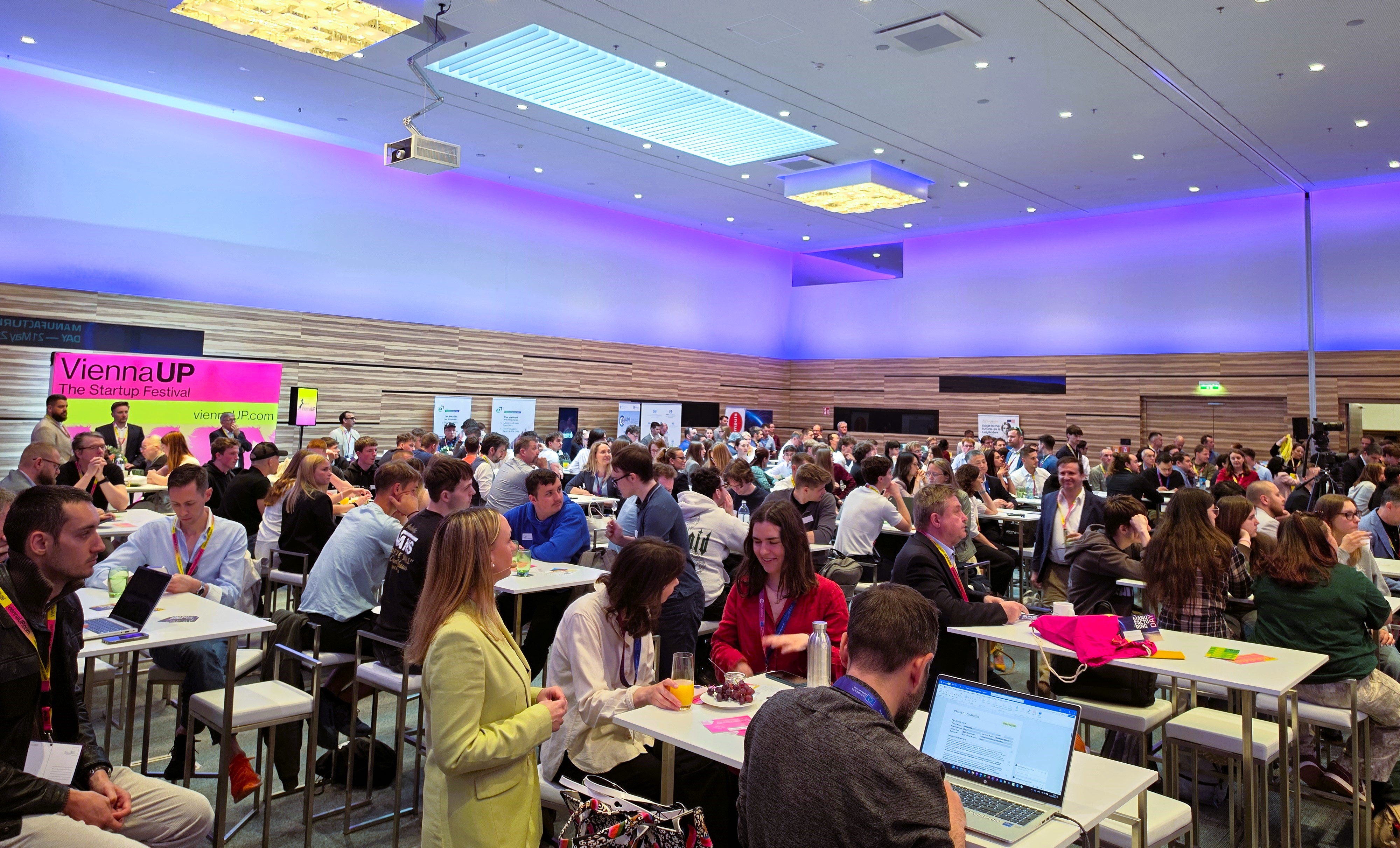
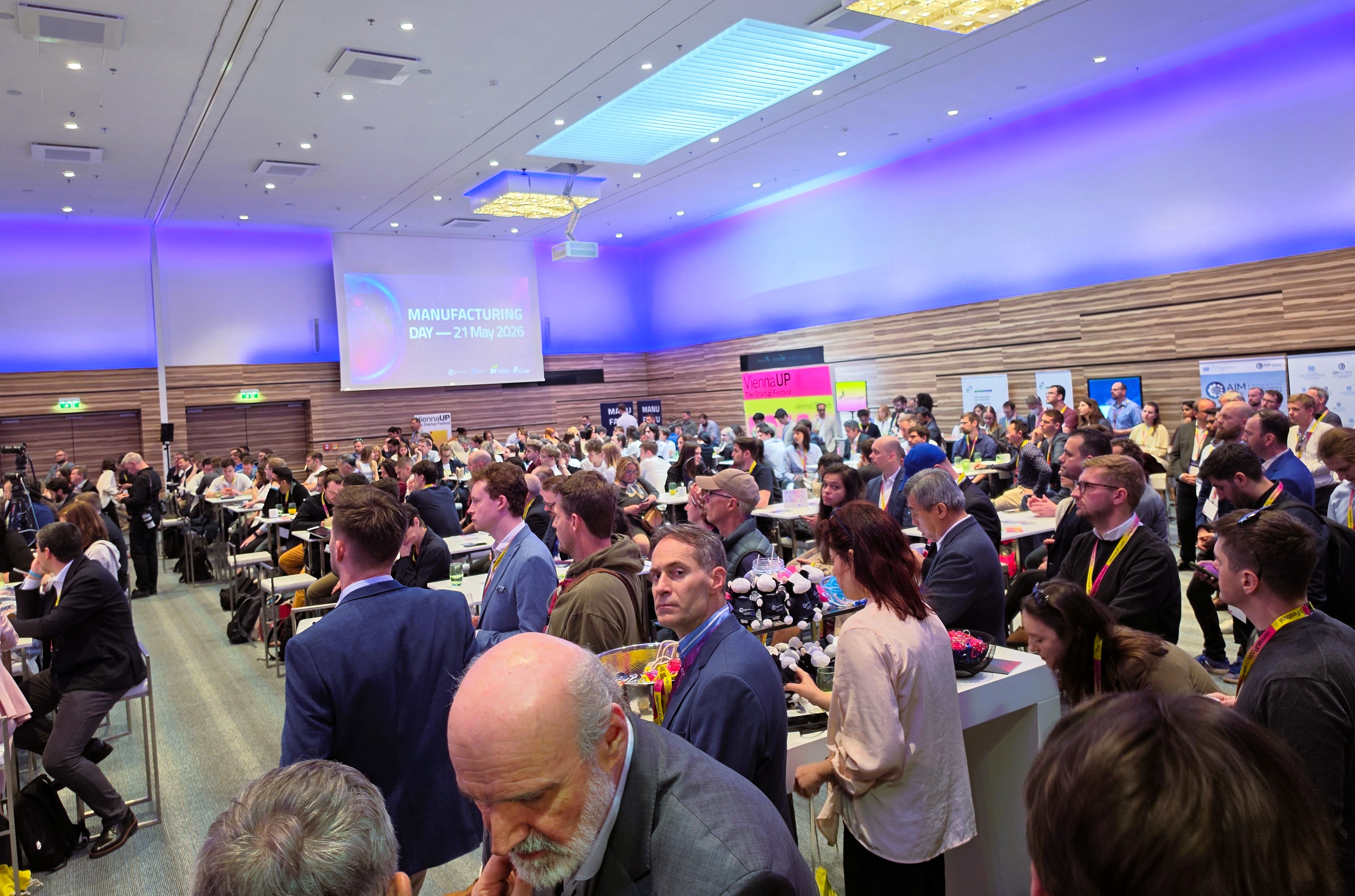
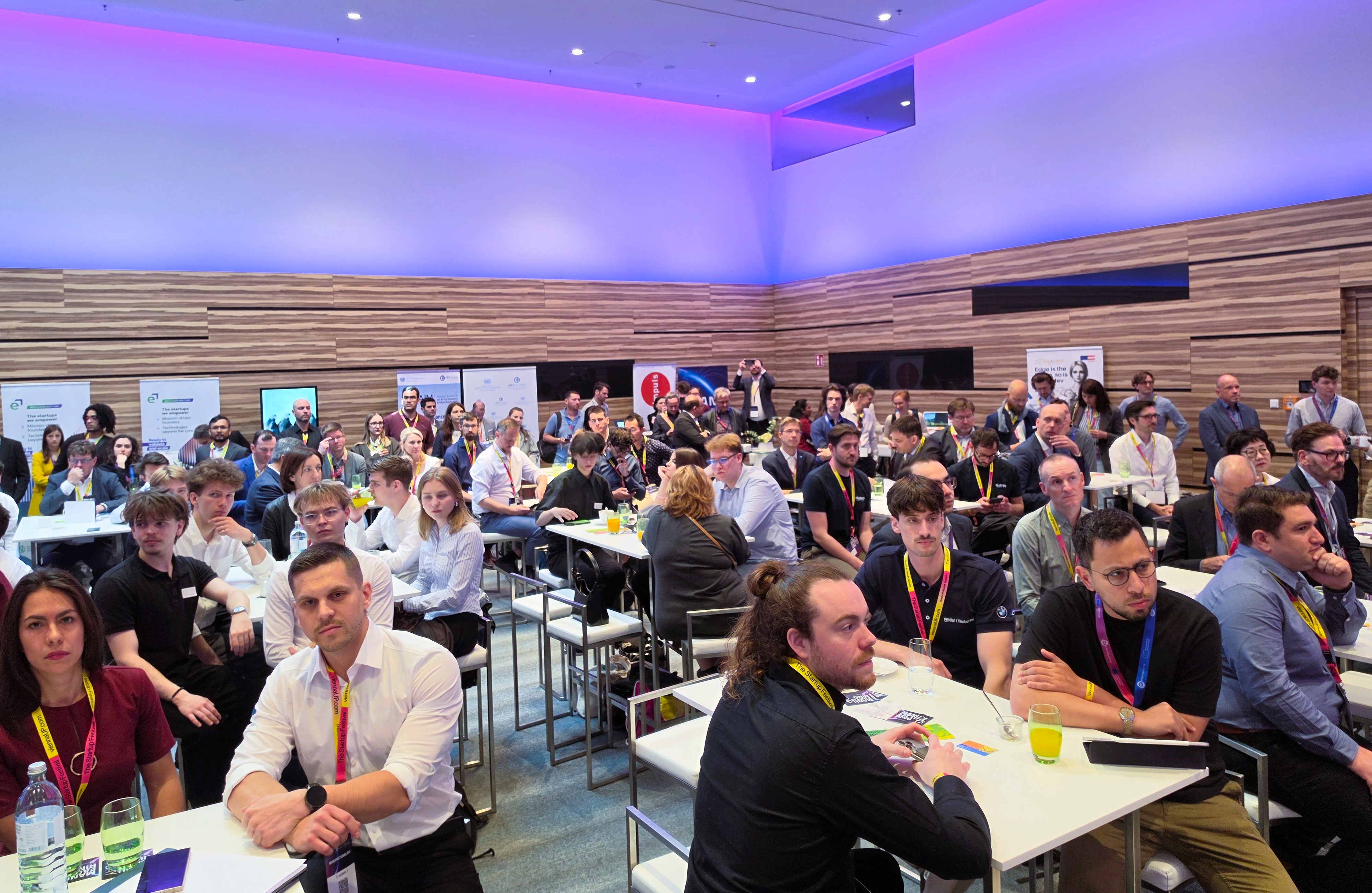
Mehr als 500 TeilnehmerInnen aus über 50 Ländern versammelten sich in Wien, um einer zentralen Frage nachzugehen: Wie kann Europa industrielle Innovationen in global wettbewerbsfähige Fertigungsunternehmen umsetzen? Der Konsens des Tages war eindeutig: Die Antwort liegt in der Kombination von Technologie, Kapital, Zusammenarbeit und einem grundlegenden Umdenken in Bezug auf industrielle Systeme.
Sieh dir diesen Beitrag auf Instagram an
Start-ups gestalten die Zukunft der Industrie
Sechs Startups stellten in einem Pitch-Bewerb Lösungen vor, die sich mit Automatisierung, Nachhaltigkeit, industrieller Effizienz und widerstandsfähigen Produktionssystemen befassen.
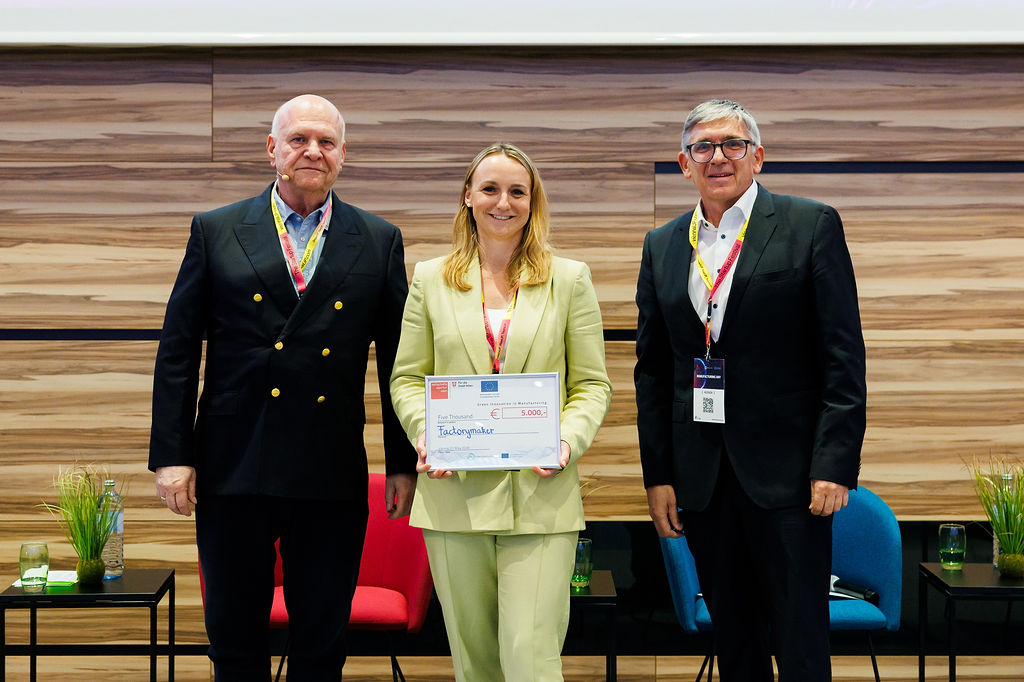
Das Gewinner-Startup factorymaker entwickelt KI-gestützte Software für die Planung und Optimierung von Industrieanlagen. Ihre Plattform automatisiert Produktionslayouts und Arbeitsabläufe in der Fabrikplanung und ermöglicht so eine schnellere, kosteneffizientere und nachhaltigere Gestaltung von Industriestandorten. Die Jury hob die hohe industrielle Relevanz, Skalierbarkeit und praktische Anwendbarkeit des Unternehmens hervor. Gründerin Julia Reilinger erhielt von der Wirtschaftsagentur Wien einen Preis in Höhe von 5.000 Euro zur Unterstützung ihrer Expansion in Europa.
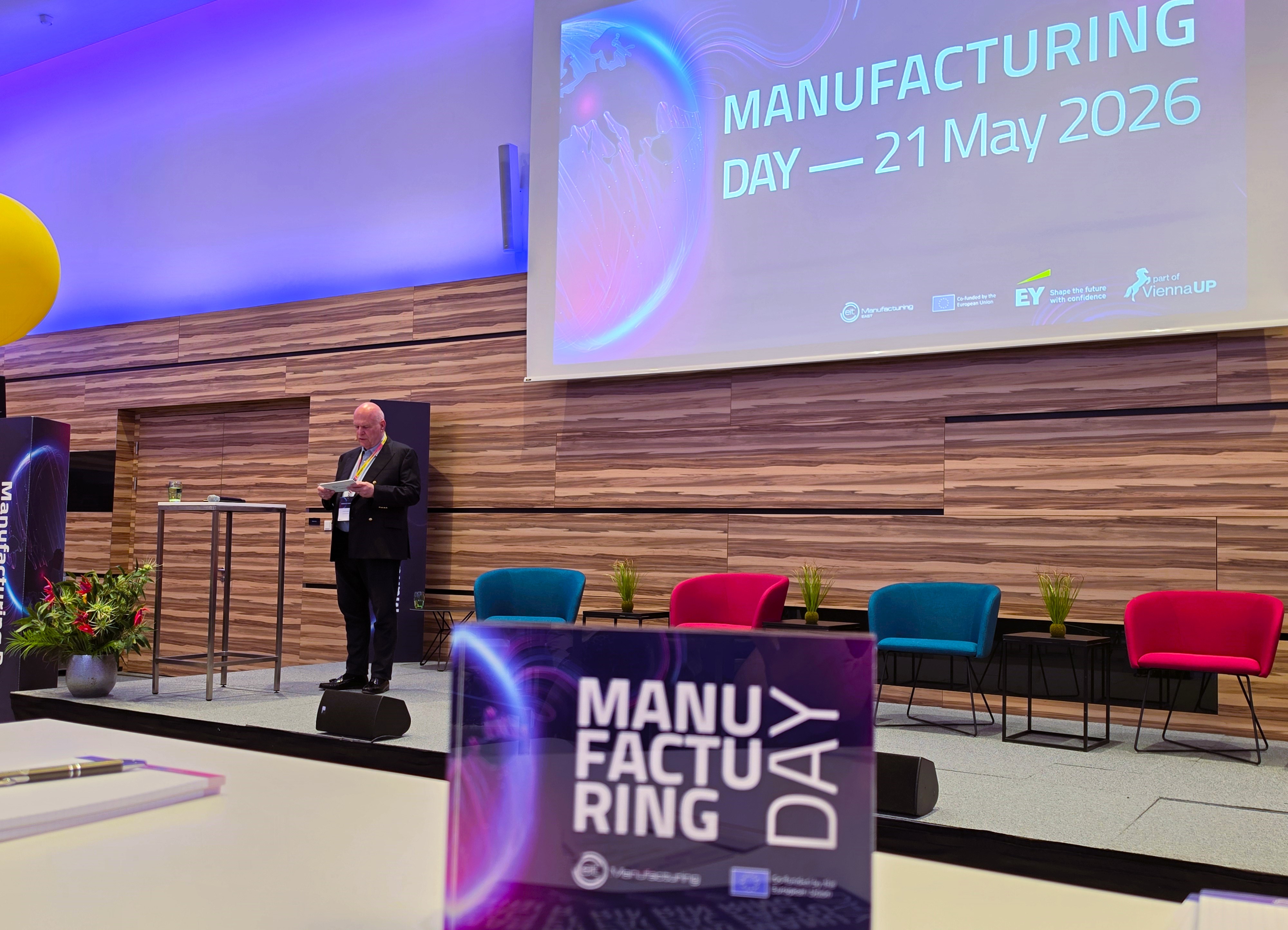
Unternehmen öffnen sich für industrielle Innovation
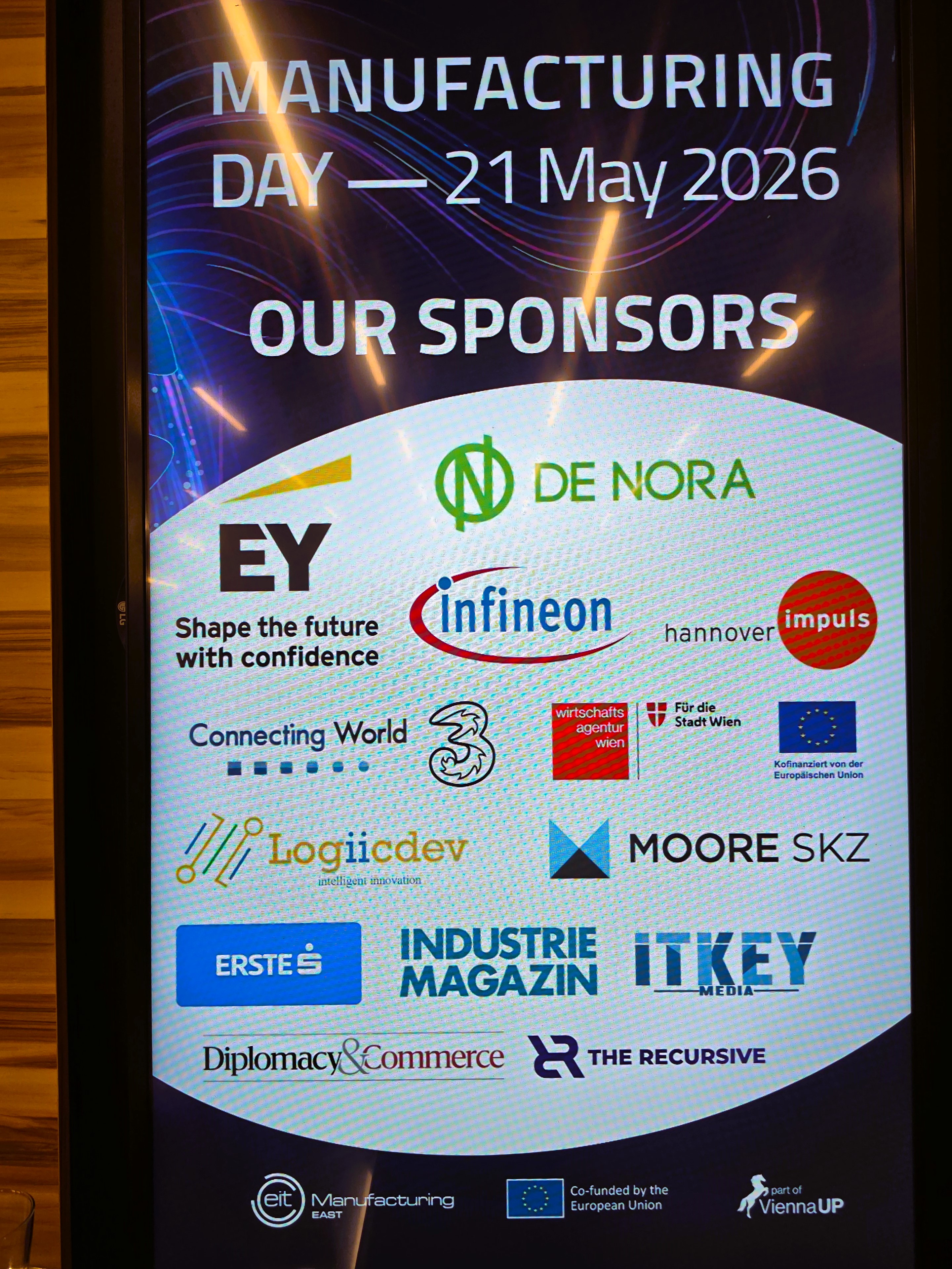
Große Industrieunternehmen wechseln zunehmend von geschlossener Innovation zu offener Zusammenarbeit. De Nora präsentierte am Manufacturing Day 2026 seinen „Edge Call für Startups 2026: Re-Designing Industrial Operations“ und bot Startups Zugang zu industriellen Umgebungen, Expertenteams und bis zu 50.000 € für Pilotprojekte mit den Schwerpunkten Produktionseffizienz, Automatisierung, Sicherheit und Ressourcenoptimierung.
Infineon stellte seine „Startup Challenge 2026: Humanoid Robots“ vor, die sich auf Schlüsseltechnologien für die Robotik der nächsten Generation konzentriert, darunter Sensorsysteme, taktile Schnittstellen, Simulation und Motorsteuerung. Ausgewählte Startups nehmen an einem strukturierten Programm mit Partnern teil, das mit einem Demo Day auf der EBSCON in Graz endet.
EY hob die Rolle der physischen KI in der nächsten industriellen Ära hervor, während Tomark konkrete Anforderungen im Bereich 3D-Scanning und digitale Teileerkennung für Logistik und Produktion skizzierte.
Europas Scale-up-Lücke
Eine Videobotschaft von Michiel Scheffer (EIC) unterstrich, wie wichtig es ist, Deep-Tech-Innovationen in Europa zu skalieren, und hob Zusammenarbeit als wichtigen Faktor hervor.
Dieses Thema setzte sich in der Keynote am Nachmittag fort, die von MIT-Professor David A. Mindell gehalten wurde. Er stellte KI nicht als rein digitale Revolution dar, sondern als Teil eines umfassenderen industriellen Wandels. Seine Botschaft: Industrielle Revolutionen ersetzen nicht einfach nur Arbeit – sie schaffen neue Industrien und neue Formen der Arbeit.
Die eigentliche Herausforderung, so argumentierte er, liege nicht in der Erfindung, sondern in der Transformation von Systemen. Die Fertigungsindustrie bleibt von zentraler Bedeutung für wirtschaftliche Widerstandsfähigkeit, Souveränität und langfristigen gesellschaftlichen Fortschritt.
Industrielle KI trifft auf industrielle Realität
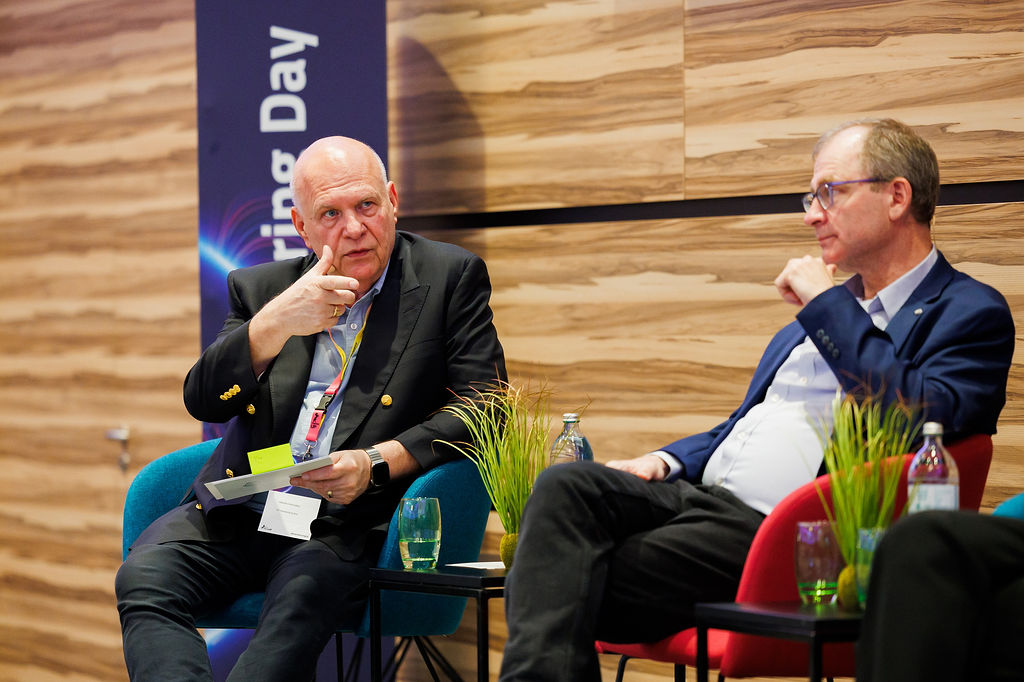
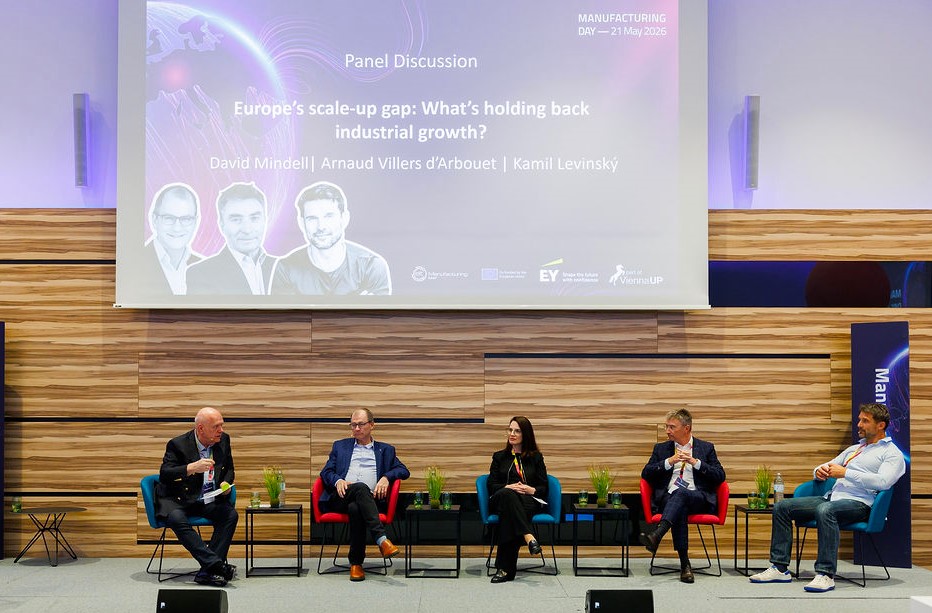
Die Podiumsdiskussion mit David A. Mindell (MIT), Kamil Levinsky (Jet Investment), Jasmina Popovska (EIT Manufacturing East) und Arnaud Villers d’Arbouet (Mecaware), moderiert von Hannes Hunschofsky (EIT Manufacturing East) befasste sich mit Europas Skalierungsproblem. Im Mittelpunkt der Diskussion stand eine zentrale Tatsache: Industrielle Startups lassen sich nicht wie Softwareunternehmen skalieren. Sie benötigen Fabriken, Lieferketten, Zertifizierungen, kapitalintensive Infrastruktur und langfristige industrielle Partnerschaften.
Europa verfügt über die Talente, die Forschungsbasis und das industrielle Know-how, hat jedoch nach wie vor Schwierigkeiten, Innovationen in Industrieunternehmen von globalem Ausmaß umzuwandeln.
Zusammenarbeit in der Praxis
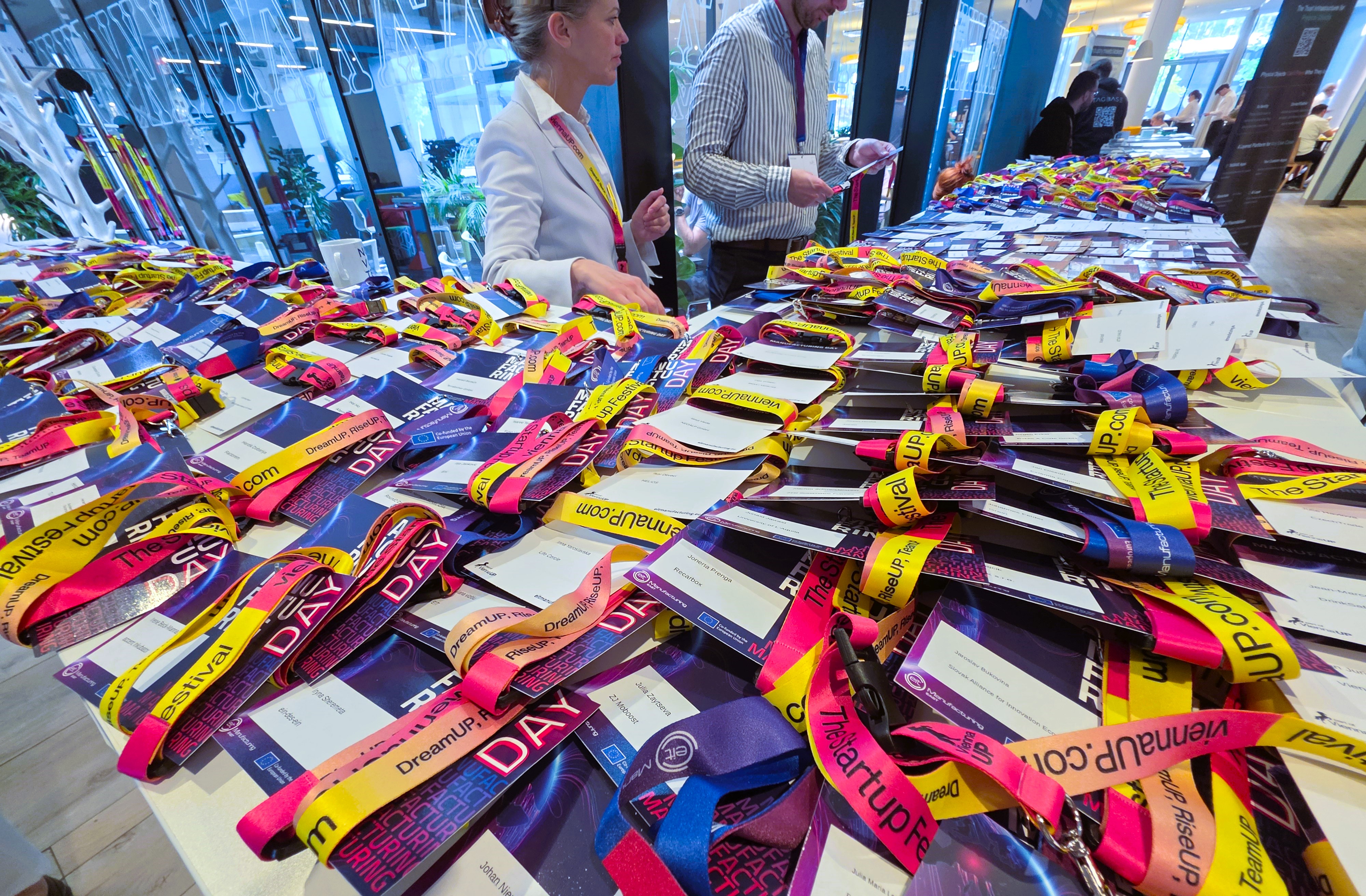
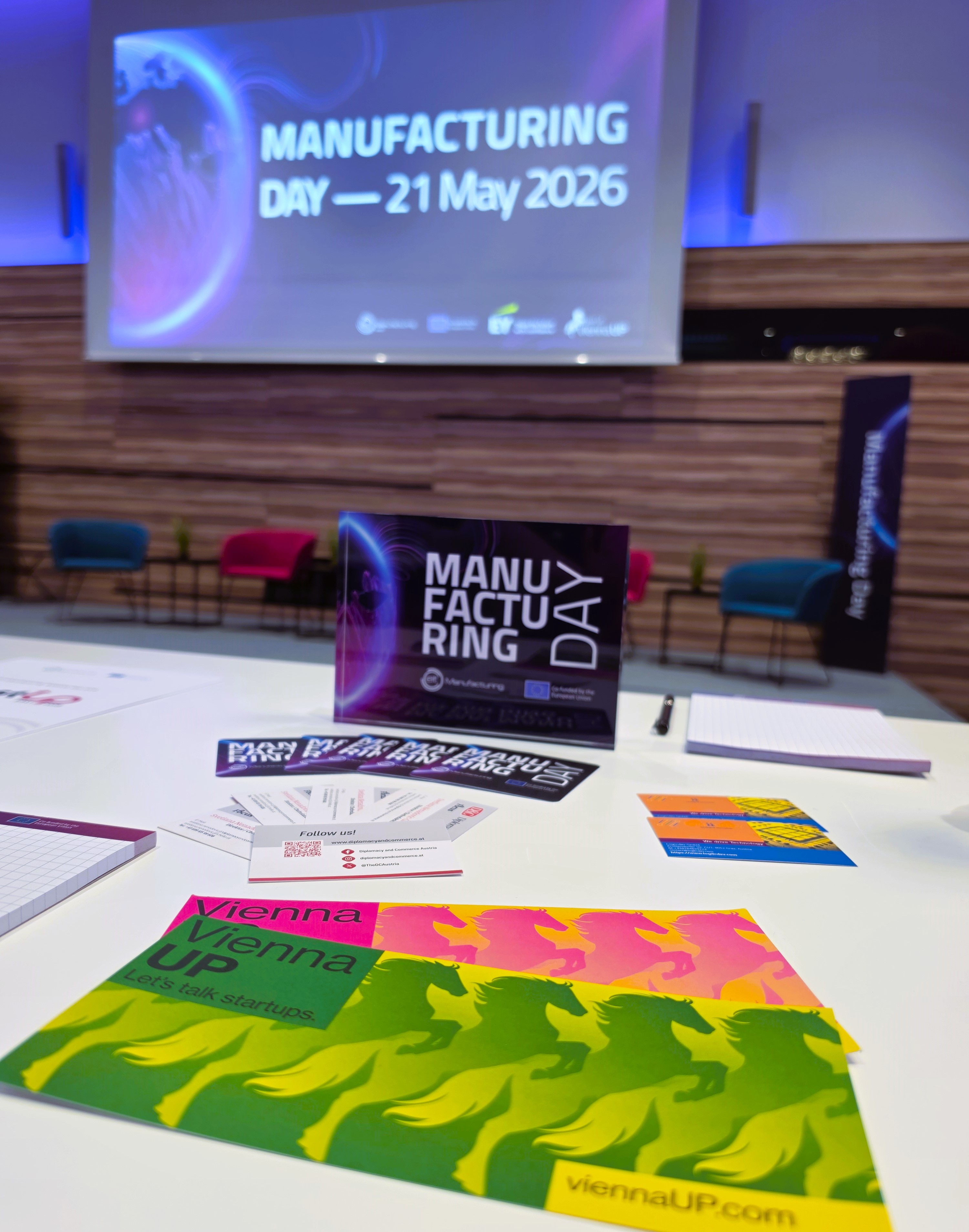
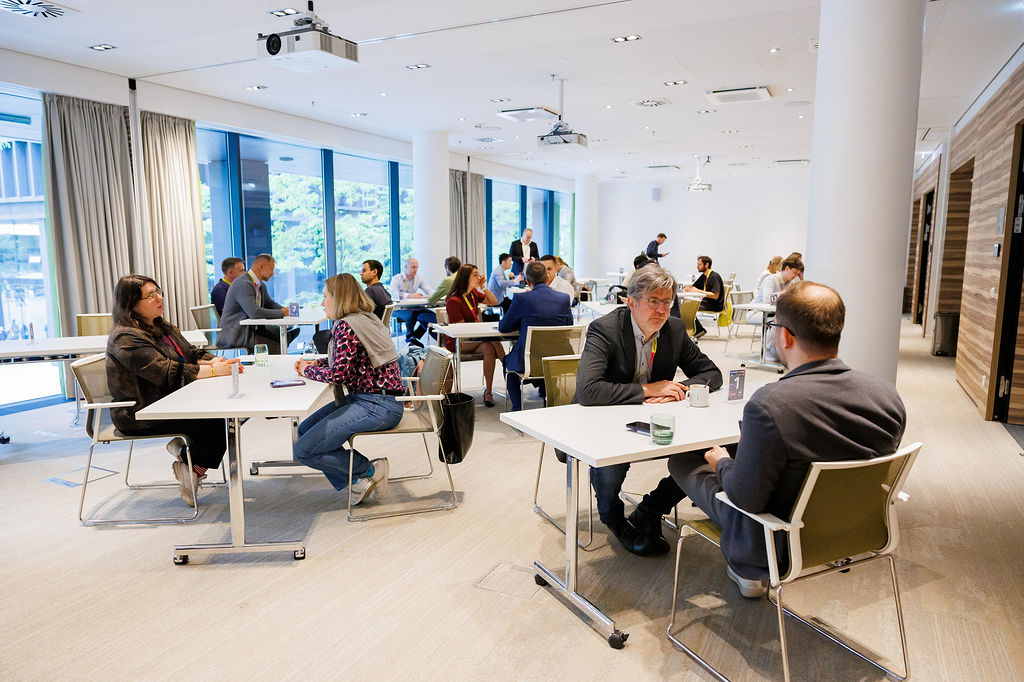
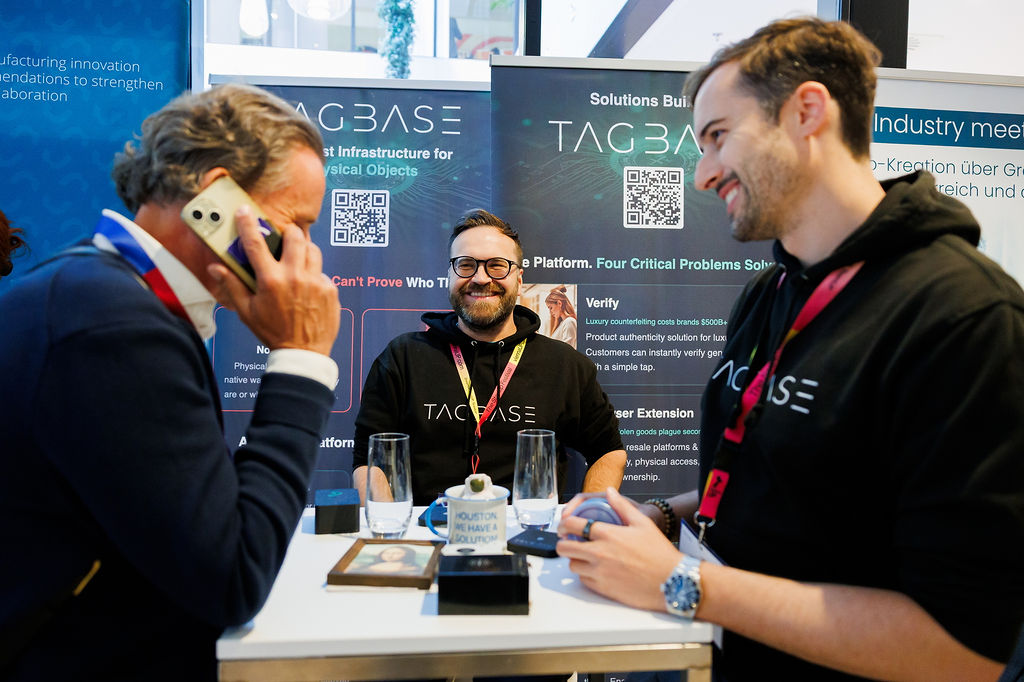
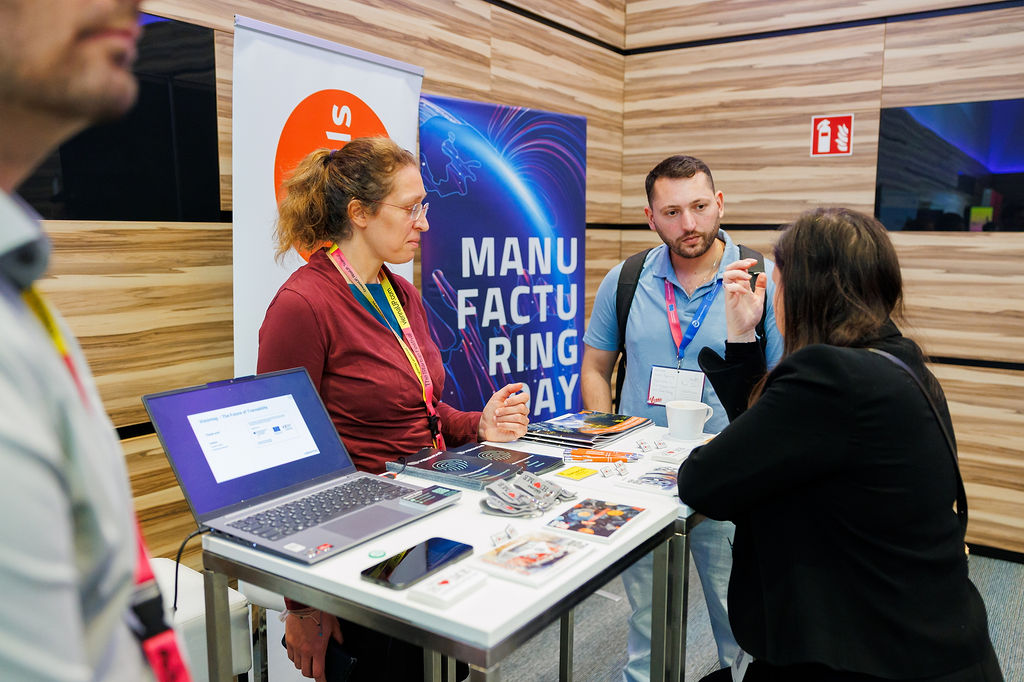
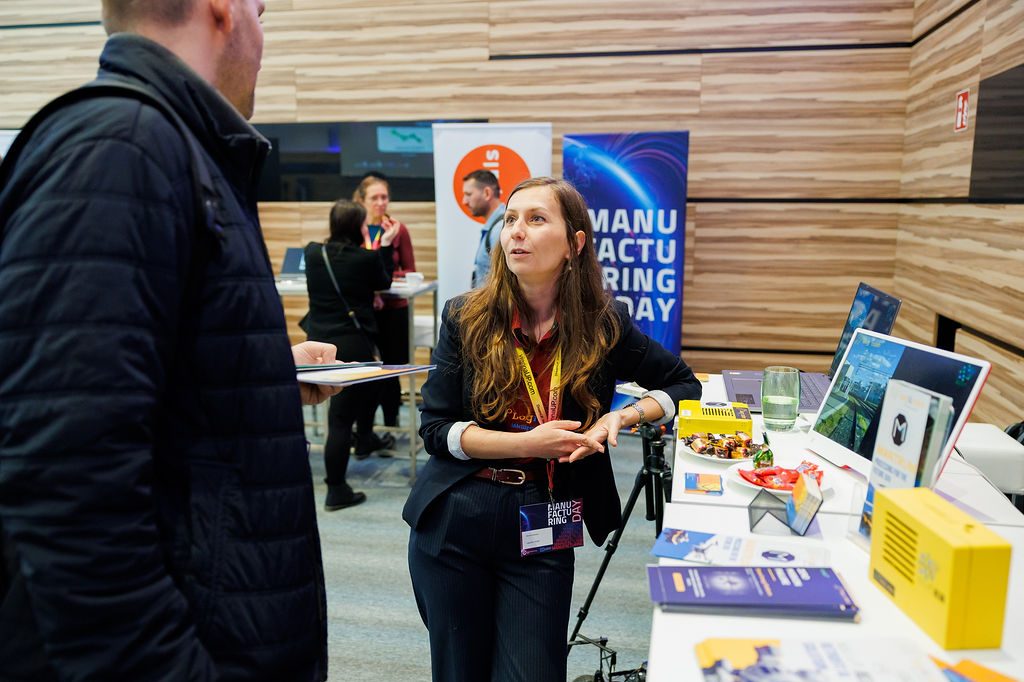
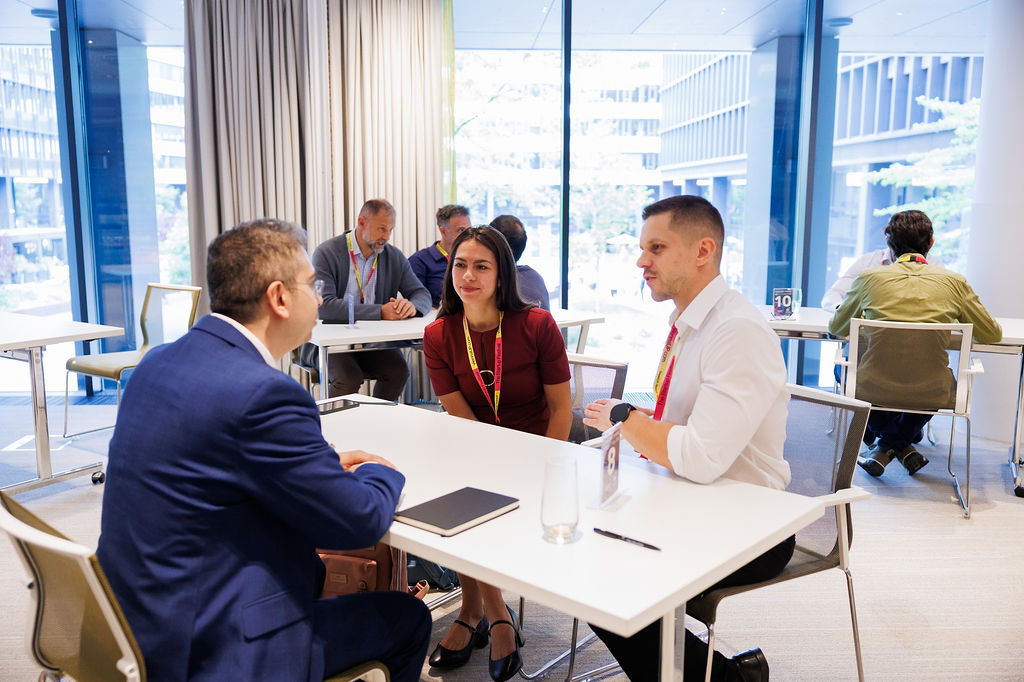
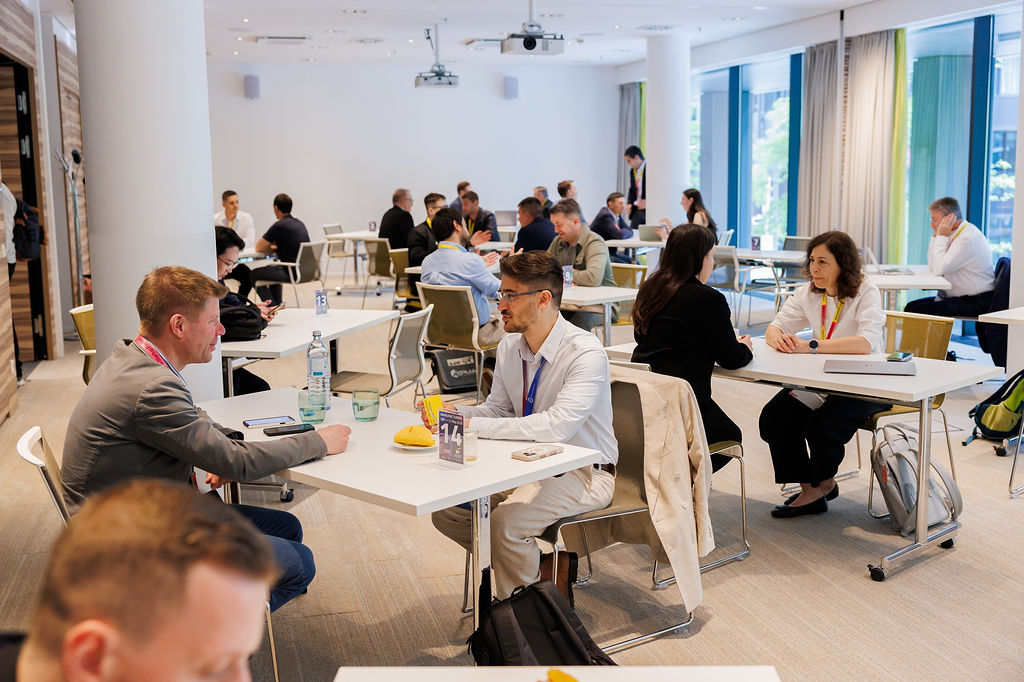
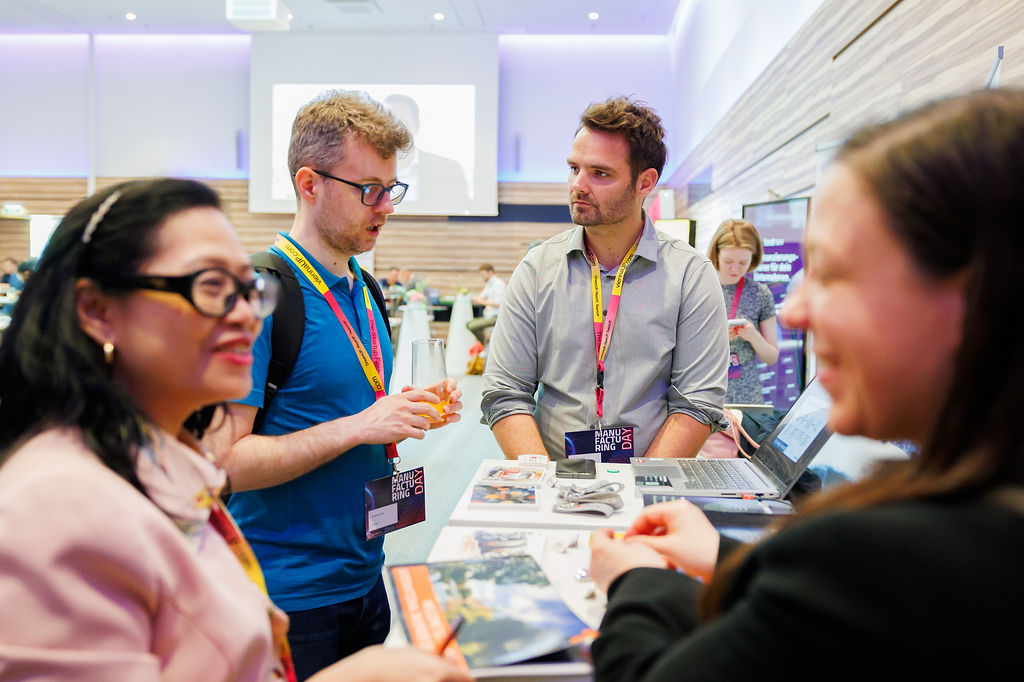
Abseits der Bühne präsentierten sich europäische Innovationsinitiativen und Forschungsprojekte im Ausstellerbereich, während Matchmaking-Sessions mehr als 250 Meetings zwischen Startups, Unternehmen, Investoren und Forschern ermöglichten.
Ein neuer Industrialismus
Der „Manufacturing Day 2026“ von EIT Manufacturing East hat eines deutlich gemacht: Die Herausforderung für Europa liegt nicht in der Innovation, sondern in der Größenordnung. Das Ökosystem muss sich zunehmend auf ein gemeinsames Ziel ausrichten: industrielle Innovation nachhaltig zu skalieren.
English:
Manufacturing Day 2026 Focused on Europe’s Industrial Future
From AI-powered factories to hard-tech scale-ups, ViennaUP’s leading industrial event brought together the architects of Europe’s next industrial era.
Industrial transformation is no longer a future scenario discussed in strategy papers and keynote speeches; it is already happening in factories, laboratories, universities, and startups. At Manufacturing Day 2026, held as part of #ViennaUP, this transformation became tangible.
More than 500 participants from over 50 countries gathered in Vienna to address a central question: How can Europe turn industrial innovation into globally competitive manufacturing companies? The consensus of the day was clear: the answer lies in combining technology, capital, collaboration, and a fundamental rethinking of industrial systems.
Startups Shaping the Future of Industry
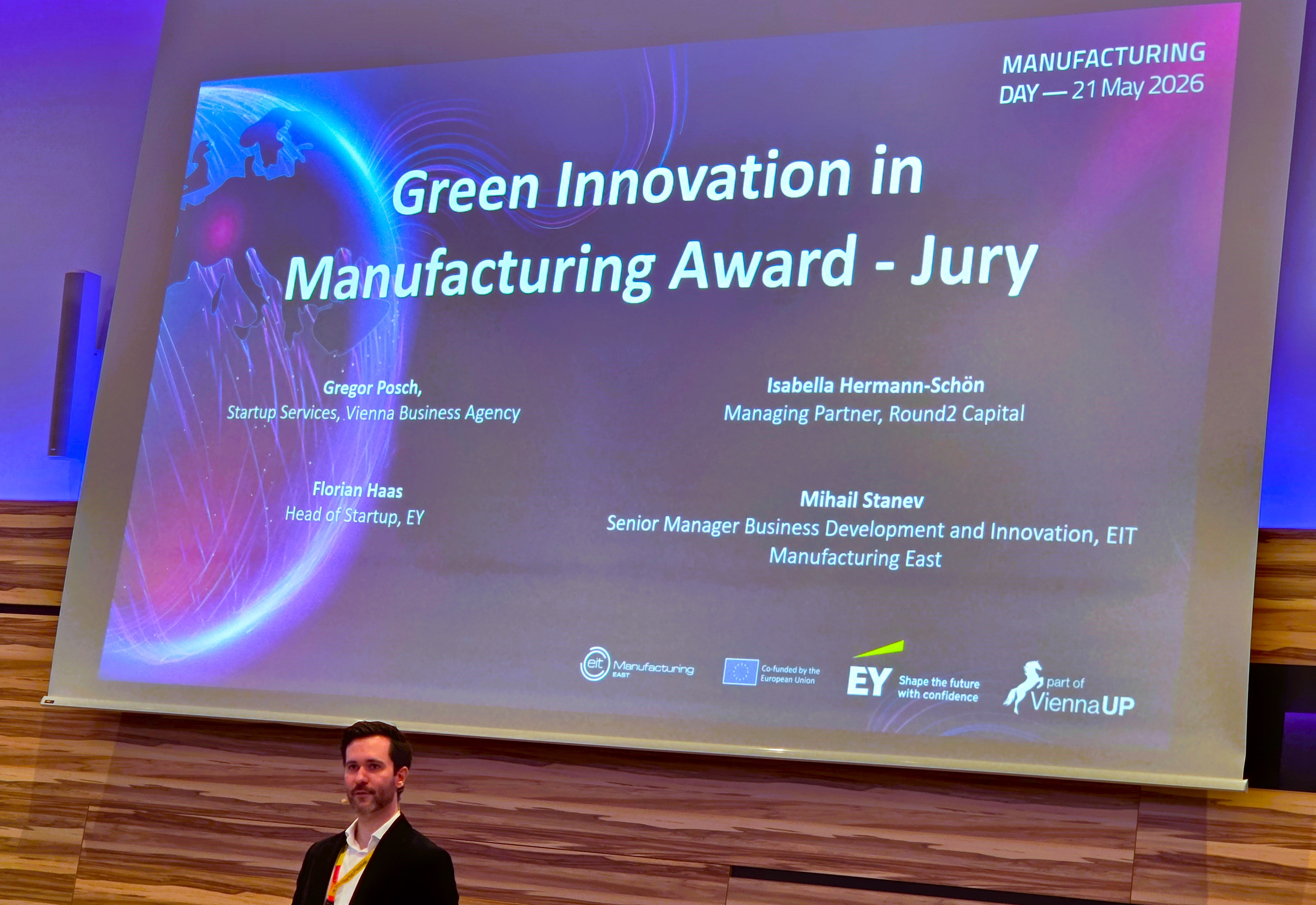
Six startups presented solutions in a pitching competition focused on automation, sustainability, industrial efficiency, and resilient production systems.
The winning startup, factorymaker, develops AI-powered software for planning and optimizing industrial facilities. Its platform automates production layouts and workflows in factory planning, enabling faster, more cost-efficient, and more sustainable industrial site design. The jury highlighted the company’s strong industrial relevance, scalability, and practical applicability. Founder Julia Reilinger received a €5,000 prize from the Vienna Business Agency to support the company’s expansion across Europe.
Companies Embrace Industrial Innovation
Large industrial corporations are increasingly shifting from closed innovation models to open collaboration.
At Manufacturing Day 2026, De Nora introduced its “Edge Call for Startups 2026: Re-Designing Industrial Operations,” offering startups access to industrial environments, expert teams, and up to €50,000 for pilot projects focused on production efficiency, automation, safety, and resource optimization.
Infineon presented its “Startup Challenge 2026: Humanoid Robots,” which focuses on key technologies for next-generation robotics, including sensor systems, tactile interfaces, simulation, and motor control. Selected startups will participate in a structured program with industry partners, culminating in a Demo Day at EBSCON in Graz.
EY highlighted the role of physical AI in the next industrial era, while Tomark outlined specific needs in 3D scanning and digital part recognition for logistics and manufacturing.
Europe’s Scale-Up Gap
A video message from Michiel Scheffer of the European Innovation Council (EIC) emphasized the importance of scaling deep-tech innovations in Europe and highlighted collaboration as a key success factor.
This theme continued in the afternoon keynote delivered by MIT Professor David A. Mindell. He presented AI not as a purely digital revolution, but as part of a broader industrial transformation. His message was clear: industrial revolutions do not simply replace jobs—they create new industries and new forms of work.
According to Mindell, the real challenge lies not in invention, but in transforming systems. Manufacturing remains essential for economic resilience, sovereignty, and long-term societal progress.
Industrial AI Meets Industrial Reality
A panel discussion featuring David A. Mindell (MIT), Kamil Levinsky (Jet Investment), Jasmina Popovska (EIT Manufacturing East), and Arnaud Villers d’Arbouet (Mecaware), moderated by Hannes Hunschofsky (EIT Manufacturing East), explored Europe’s scale-up challenge.
A central point of the discussion was that industrial startups cannot scale in the same way as software companies. They require factories, supply chains, certifications, capital-intensive infrastructure, and long-term industrial partnerships.
Europe possesses the talent, research capabilities, and industrial expertise, yet it still struggles to transform innovation into globally significant industrial companies.
Collaboration in Practice
Beyond the main stage, European innovation initiatives and research projects were showcased in the exhibition area, while matchmaking sessions facilitated more than 250 meetings among startups, corporations, investors, and researchers.
A New Industrialism
Manufacturing Day 2026, organized by EIT Manufacturing East, made one thing clear: Europe’s challenge is not innovation—it is scale. The ecosystem must increasingly align around a common goal: scaling industrial innovation sustainably.
Svetlana Nenadovic Glusac
Fotos & Video Copyright: Diplomacy&Commerce Austria